
Tips for Keeping Freshwater Shrimp: Daily Care and Husbandry
Keeping freshwater shrimp successfully requires strict water stability, patient drip acclimation, and an established supply of natural biofilm. With balanced mineral levels and quiet hiding spaces, dwarf shrimp stay active, molt safely, and establish thriving colonies.

By Sharon Ben-Moshe, Founder, The Aquarium Adviser
Updated / 5 min read
In this guide
The most reliable tips for keeping freshwater shrimp center on maintaining unwavering water stability, providing natural biofilm, and preventing osmotic shock during acclimation and water changes. Unlike hardy fish that tolerate environmental swings, dwarf shrimp require mature ecosystems with consistent mineral levels, zero ammonia, and gentle sponge filtration.
Crustaceans absorb minerals and regulate hydration through a semi-permeable exoskeleton and delicate gills. Rapid shifts in total dissolved solids (TDS), temperature, or pH disrupt this cellular balance and trigger fatal molts. Success with dwarf shrimp depends on biological maturity rather than reactive chemical additives.
Whether keeping Neocaridina davidi or soft-water Caridina, understanding baseline environmental targets prevents sudden colony losses.
| Shrimp Group | Common Species | Target pH | Temperature | General Hardness (GH) | Carbonate Hardness (KH) | Primary Diet |
|---|---|---|---|---|---|---|
| Neocaridina | Red Cherry, Blue Dream shrimp | 6.8-7.8 | 68-76°F (20-24°C) | 6-8 dGH | 2-5 dKH | Biofilm, blanched greens |
| Caridina (Bee) | Crystal Red, Taiwan Bee | 5.8-6.6 | 65-72°F (18-22°C) | 4-6 dGH | 0-1 dKH | Biofilm, crustacean pellets |
| Amano Shrimp | Caridina multidentata | 6.5-7.5 | 68-78°F (20-26°C) | 6-10 dGH | 3-6 dKH | Hair algae, sinking pellets |
| Ghost Shrimp | Palaemonetes paludosus | 7.0-8.0 | 70-80°F (21-27°C) | 5-10 dGH | 3-8 dKH | Detritus, fish flakes |
Why is water stability more critical than chasing exact numbers?
Aquarists often obsess over matching published pH or hardness targets down to exact decimals, dosing chemical buffers that cause severe swings. Dwarf shrimp adapt across a reasonable range when values stay constant. Rapid mineral shifts cause osmotic shock, forcing water across cell membranes faster than organs can regulate.
Tank maturity provides the true buffer against parameter swings. Adding shrimp to a tank that cycled only two weeks ago often leads to losses, even with zero ammonia and nitrite. An aged setup houses established autotrophic bacteria and diatom films that process waste smoothly. When setting up a shrimp aquarium, run the system for four to six weeks before introducing livestock.
To keep parameters consistent:
- Test tap water periodically to catch seasonal shifts in municipal chemistry.
- Position the tank away from drafty doorways and sunny windows that cause temperature spikes.
- Replace evaporated water with distilled or reverse osmosis (RO) water to prevent mineral buildup.
How should you drip acclimate new shrimp?
Drip acclimation protects new arrivals from lethal shock. Transport water rarely matches your aquarium in temperature, pH, or mineral density. Dumping bagged shrimp directly into a tank causes severe osmotic stress, frequently triggering fatal molting failures days later.
Safe acclimation requires basic supplies: a clean plastic container, 4-5 feet of airline tubing, an airline control valve, and a fine-mesh net.
Plan for two hours to allow the shrimp adequate time to equalize internal chemistry:
- Step 1: Float the sealed bag in the tank for 15 minutes to equalize temperature.
- Step 2: Pour shrimp and transport water into the container placed below tank level.
- Step 3: Start an airline siphon, adjusting the valve to 1-2 drops per second.
- Step 4: When water doubles, discard half and continue dripping until it doubles again.
- Step 5: Net shrimp into the tank and pour transport water down the drain.
Managing water hardness to prevent fatal molting failures
Freshwater shrimp periodically shed their rigid outer cuticle to grow, a process known as ecdysis (molting). If water lacks adequate minerals, the new cuticle remains soft. If water is overly hard, the shell traps the shrimp during the split. Understanding dissolved mineral hardness is vital for long-term survival.
General hardness versus carbonate hardness
General hardness (GH) measures calcium (Ca²⁺) and magnesium (Mg²⁺). Calcium builds the exoskeleton, while magnesium enables calcium absorption. Popular best freshwater aquarium shrimp like Neocaridina thrive at 6-8 dGH.
Carbonate hardness (KH) measures carbonate and bicarbonate ions, buffering against acid swings. Neocaridina prefer 2-5 dKH, whereas soft-water Caridina species require 0-1 dKH with an active buffering substrate, relying on remineralized RO water.
Recognizing the white ring of death
The classic symptom of molting distress is a pale gap between the carapace and abdomen, known as the white ring of death. The shell splits around the midsection before the animal loosens its head or tail, trapping the shrimp until it exhausts its energy and dies.
If you spot molting failures:
- Test GH and KH with liquid drop tests rather than inaccurate test strips.
- Monitor dissolved solids using a calibrated digital TDS meter.
- Leave clean molts in the tank so shrimp can eat them to recycle minerals.
What do freshwater shrimp actually eat?
Dwarf shrimp spend the day grazing over decor, plants, and substrate with microscopic claw tufts. Beginners often drop commercial food into the tank daily, creating uneaten waste that rots and fouls the water.
Wild freshwater shrimp feed primarily on microbial biofilm, an organic layer of bacteria, diatoms, and algae. Biofilm coats hardscape and foliage, providing easily digestible nutrition for growing adults and newborn shrimplets.
To cultivate an abundant food supply:
- Add dried botanicals like Indian almond leaves (Catappa) and alder cones to nourish grazing bacteria.
- Grow dense mats of Java moss or Christmas moss to trap suspended organic particles.
- House peaceful freshwater aquarium snails to break down plant debris into microbial fuel.
- Supplement weekly with blanched spinach or sinking invertebrate pellets, removing uneaten food after four hours. For persistent hair algae, algae-eating Amano shrimp provide exceptional cleanup support.
Safe tank maintenance and filtration practices
Routine tank maintenance requires a light touch. Aggressive gravel vacuuming and powerful water pumps can wipe out an entire breeding population.
Protecting shrimp from filter intakes
Filter intakes present suction hazards for crustaceans, pulling adults and tiny shrimplets into impellers.
- Cover intake grates with a foam pre-filter sponge to block suction.
- Use air-driven sponge filters for primary filtration. They purify water, provide aeration, and offer large grazing surfaces.
- Maintain moderate water flow so shrimp can forage without fighting heavy currents.
Performing low-stress water changes
Substantial water changes disrupt mineral equilibrium and temperature, causing stress.
- Limit routine water changes to 10-15% every one to two weeks.
- Match temperature and dissolved solids between replacement water and aquarium water.
- Siphon water through narrow airline tubing to avoid catching shrimplets.
- Refill the aquarium slowly through a low-flow siphon over 30-45 minutes.
Common household hazards and copper toxicity
Freshwater invertebrates are sensitive to chemical pollutants that fish tolerate easily. Shrimp blood uses copper-based hemocyanin to bind oxygen, and free dissolved copper ions in the water column act as acute toxins.
Common household hazards to prevent:
- Copper plumbing: Aging copper pipes can leach dissolved metal into standing water. Run tap faucets cold for several minutes before collecting water, or use an RO filtration unit.
- Medications and fertilizers: Treatments for ich or pest snails often contain copper sulfate. Always verify that treatments carry explicit invertebrate-safe labeling before dosing.
- Airborne sprays: Aerosol fresheners, insect repellents, and deodorants settle onto open water surfaces. Keep all chemical sprays completely away from aquarium rooms.
- Topical pet treatments: Flea drops applied to dogs and cats contain potent neurotoxins like fipronil. Placing unwashed hands into a tank after petting treated animals can wipe out a colony in hours.
Frequently asked questions
How often should you change water in a freshwater shrimp tank?
A routine water change of 10-15% every one to two weeks maintains parameter stability. Larger changes alter mineral levels and temperature too rapidly, risking shock and failed molts. Match temperature and mineral density before slowly refilling.
Why do shrimp die during or right after molting?
Molting deaths usually stem from incorrect water hardness or fluctuating dissolved solids. When general hardness (GH) is too low, shrimp cannot build a firm shell; when too high, the exoskeleton becomes too rigid to split open. Maintaining a steady GH of 6-8 dGH for Neocaridina prevents these fatal complications.
Can you keep different color varieties of Neocaridina shrimp together?
Different color varieties of Neocaridina live together peacefully, but they cross-breed freely. Over subsequent generations, cross-breeding causes offspring to lose selective coloration and revert to wild-type brown patterns. To preserve distinct color strains, house each variety in a dedicated aquarium.
How do you tell if shrimp are starving or getting enough food?
Healthy shrimp graze actively throughout the day, constantly picking at decor, plants, and substrate. You can also inspect the digestive tract along the top of the abdomen behind the clear carapace. A dark, full gut line confirms shrimp are finding ample biofilm.
Is tap water safe for keeping freshwater shrimp?
Treated tap water works well for hardy Neocaridina shrimp if it falls within target ranges (GH 6-8, KH 2-5) and lacks dissolved copper. Always use a dependable dechlorinator that neutralizes heavy metals before adding tap water. Delicate Caridina bee shrimp require pure reverse osmosis water remineralized with specialized salts.
Related guides
Best Water Conditioner for Shrimp Tank: Safe Choices and Dosing
Choosing the right water conditioner protects sensitive dwarf shrimp from municipal tap toxins like chlorine, chloramine, and heavy metals. Here is how top dechlorinators compare for invert tanks, along with safe dosing practices.
Photo by DirkBlankenhaus on Wikimedia Commons (CC BY-SA 3.0)
8 Best Freshwater Aquarium Shrimp Species for Any Tank
Choosing the best freshwater aquarium shrimp species depends on your tank size, water hardness, and community setup. From hardy algae-grazing Amanos to colorful Neocaridina, each variety brings distinct water chemistry and feeding needs.
Water Parameters for Breeding Freshwater Shrimp: Target Ranges and Chemistry Guide
Breeding freshwater dwarf shrimp requires dialed-in water chemistry and stable mineral levels. Learn the exact pH, GH, KH, TDS, and temperature targets for Neocaridina, Caridina, and Sulawesi colonies.
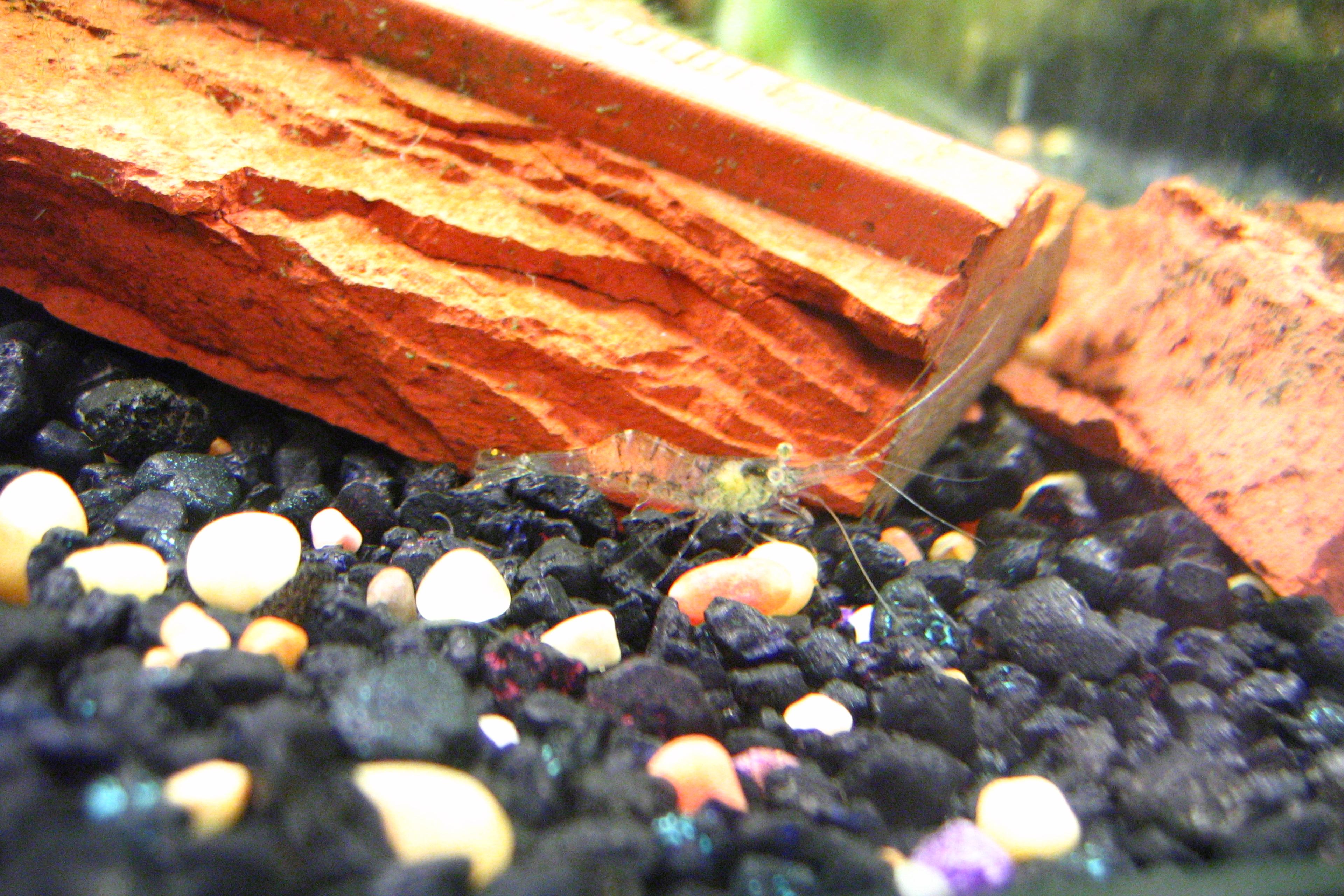
Ghost Shrimp Water Parameters, Diet, and Tank Care
Ghost shrimp thrive in freshwater tanks between 70-80°F with moderate mineral hardness and peaceful tank mates. This practical guide covers water parameters, diet, molting health, and setup tips.
Photo by Enziarro / Joseph Stansbury Rosin on Wikimedia Commons (Public domain)
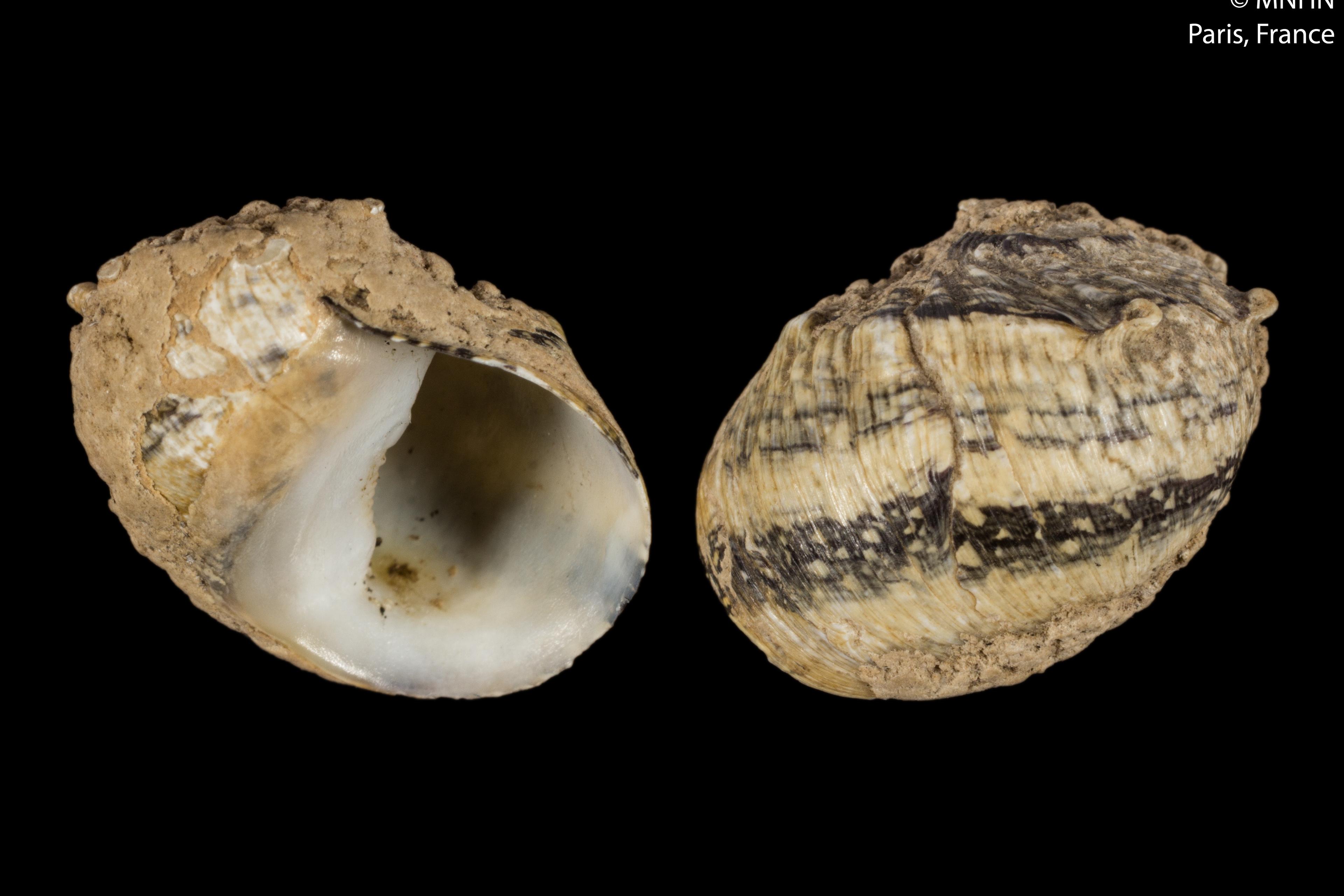
Horned Nerite Snail Care Guide: Spines, Diet, and Tank Setup
Providing proper care for horned nerite snails requires alkaline water with ample calcium to preserve their distinctive shell spines. These miniature algae grazers thrive in established nano aquariums with steady biofilm and peaceful tank mates.
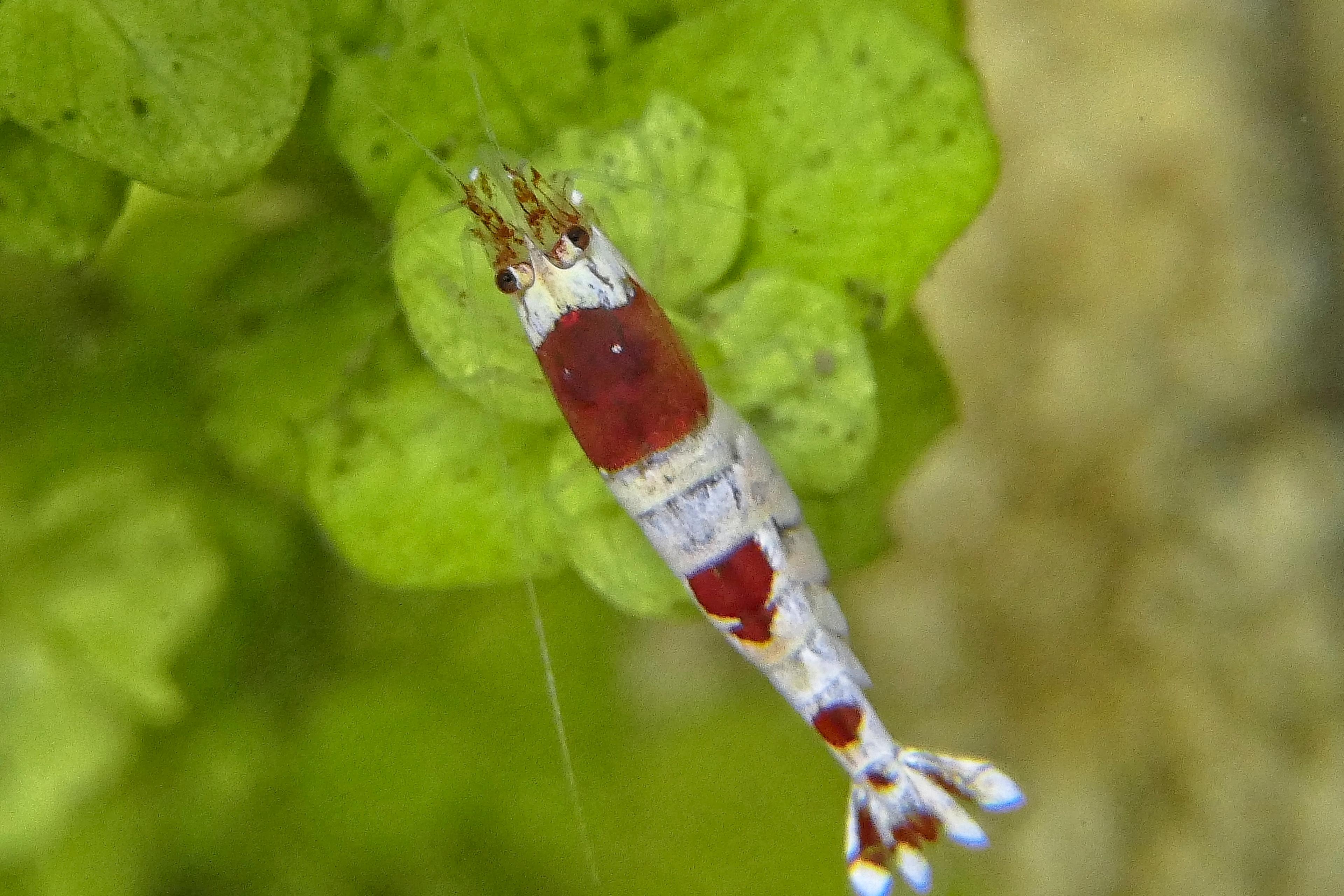
Tangerine Tiger Shrimp Care: Parameters, Substrate, and Breeding
Tangerine tiger shrimp (Caridina serrata) are hardy dwarf shrimp that thrive across a wider water parameter range than most bee shrimp. Learn how to manage water chemistry, select between inert and active substrates, and breed healthy colonies.